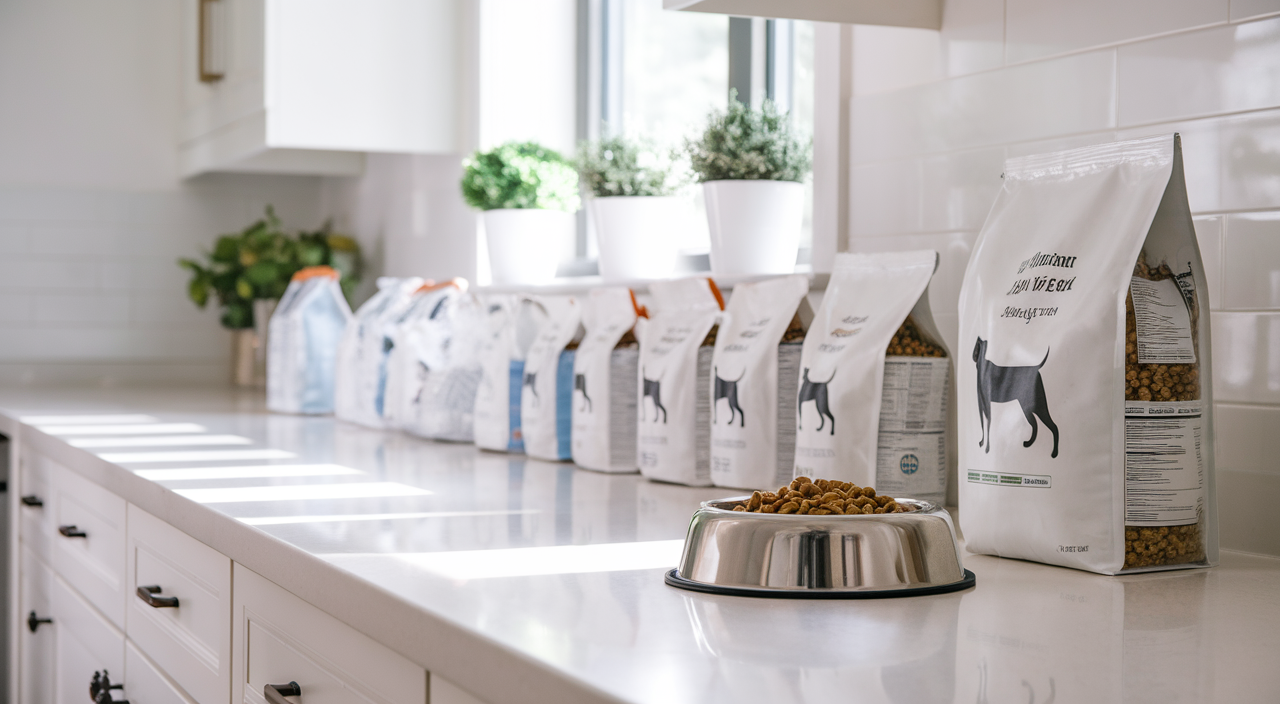
Getting pet food selection and feeding management right over time takes more than grabbing a brand off the shelf. It means reading labels critically, matching nutrition to the individual animal, and building habits around storage, monitoring, and safety awareness. This guide walks through the core concepts pet owners can use to make informed feeding decisions and adjust them as their pet’s needs shift.
Key Takeaways
- Pet food labels have four especially useful sections—the ingredient list, guaranteed analysis, nutritional adequacy statement, and feeding directions. Learning to read them turns food selection into an informed nutritional decision rather than a reaction to front-of-bag marketing.
- Nutritional needs vary by species, life stage, activity level, body condition, and health status, so life-stage labels and feeding guidelines should be treated as starting points that you adjust for the individual animal, ideally in conversation with a veterinarian.
- Diet changes work best when made gradually, by blending increasing proportions of the new food with the current food over several days. Use extra caution for young, senior, medically fragile, or veterinary-diet pets.
- Ongoing feeding management depends on proper storage in original packaging, consistent portioning that accounts for treats and training rewards, and regular monitoring of body condition, weight trend, coat, energy, appetite, and stool quality.
- Pet food recalls are time-sensitive, so owners should rely on current, authoritative regulatory and manufacturer sources, keep records of the brand, product, lot number, and purchase date for each package opened, and stop feeding and contact a veterinarian if an affected product has been consumed.
Read labels first—focus on ingredient order, guaranteed analysis, and the product’s nutritional adequacy for your pet’s species and life stage.
Match diet to species, age, activity and health; involve your veterinarian for allergies, intolerances, or medical/therapeutic diets.
Switch foods gradually and watch stool, appetite, energy and behavior; pause or consult a vet if signs of upset appear.
Compare products by formulation, ingredient quality, life-stage fit, form factor and cost-per-serving; weigh subscription convenience against flexibility.
Store food sealed in a cool, dry place, monitor body condition and weight trends, and keep lot/purchase details to check authoritative recall notices.
| Aspect | Considerations | Practical Tips |
|---|---|---|
| Ingredients | Evaluate ingredient list order, quality, and source. | Check for protein sources; prefer whole ingredients over by-products. |
| Feeding Guidelines | Adjust for pet’s species, life stage, and activity level. | Consult with a vet for specific needs like allergies or weight management. |
| Transitioning Food | Gradually integrate new food to avoid digestive issues. | Mix new food in increments over a week, monitoring the pet’s reaction. |
| Safety Monitoring | Stay informed about pet food recalls and safety alerts. | Note lot numbers and purchase dates; check reliable sources regularly. |
| Subscription Planning | Evaluate cost vs. convenience and flexibility. | Consider bulk-buying options or subscriptions for cost savings. |
Reading Pet Food Labels and Understanding Ingredients
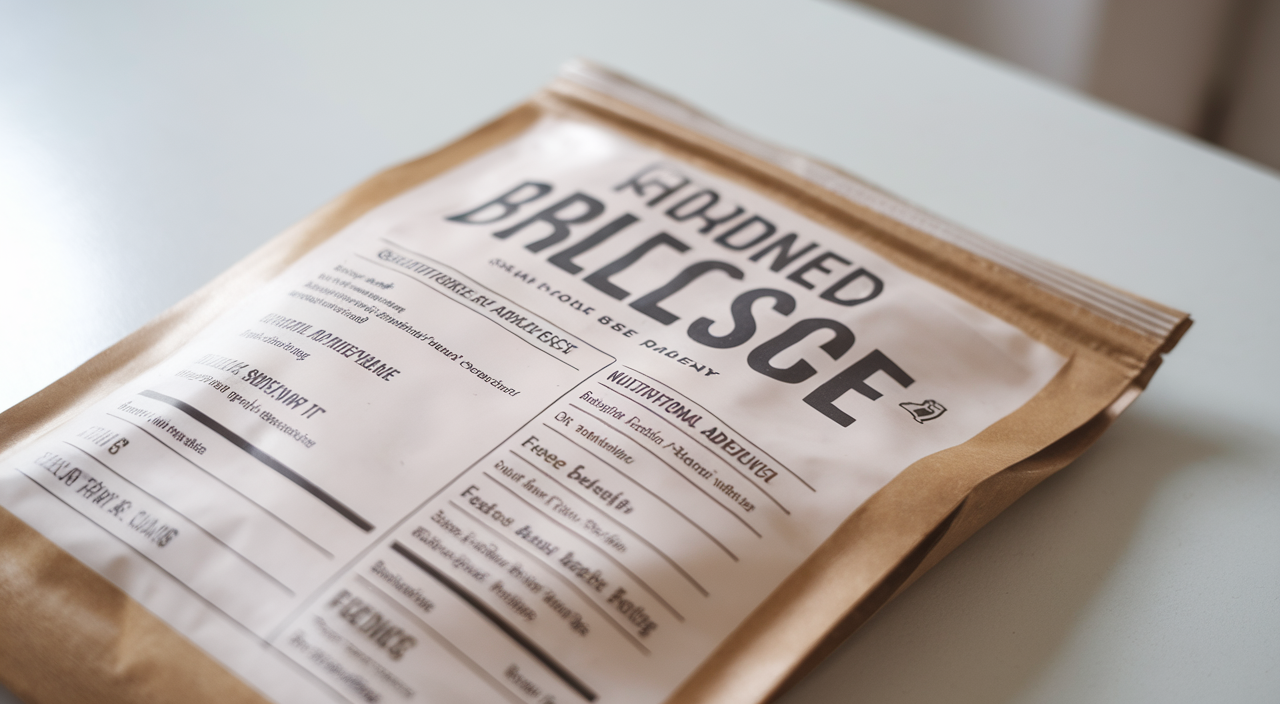
The pet food label is the single most useful decision-making surface available to owners. Marketing on the front of the bag is designed to attract attention, but the information printed on the back and sides is what actually tells you what is in the product, who it is formulated for, and how it should be fed. Learning to read that information turns pet food selection from a branding exercise into an informed nutritional decision.
The Four Sections of a Pet Food Label Worth Learning
Most pet food packaging contains four core pieces of information that every owner should be comfortable interpreting:
- The ingredient list. Ingredients are listed in descending order by weight before cooking. This means an ingredient near the top is present in a larger amount than one further down, but weight-based ordering does not always reflect nutritional contribution. Fresh meats, for example, contain a high proportion of water, which increases their pre-cooking weight relative to dry ingredients like meals or grains. Use the ingredient list to see what is in the food, but do not assume the first ingredient is automatically the largest source of protein or nutrition in the finished product.
- The guaranteed analysis. This section lists the minimum or maximum levels of key nutrients such as crude protein, crude fat, crude fiber, and moisture. It gives a general nutrient profile of the food and is useful for comparing products, especially when adjusting for differences in moisture content between wet and dry foods.
- The nutritional adequacy statement. This statement tells you whether the food is designed to be a complete and balanced diet and, importantly, for which life stage. A food formulated for a specific life stage (such as growth, gestation and lactation, or adult maintenance) is targeted to the needs of that group. A food labeled for “all life stages” is formulated to meet the highest requirements across life stages, which typically means it is nutritionally suitable for growing puppies or kittens but may be more nutrient-dense than an adult pet needs. Foods intended only for supplemental or intermittent feeding will say so and are not meant to be the sole diet.
- The feeding statement and directions. Feeding guidelines on the package give a starting point for how much to feed based on the pet’s weight. These are averages and should be adjusted based on the individual animal’s age, activity level, body condition, and veterinary guidance.
Categories of Ingredients and Their Nutritional Roles
Once you can locate the ingredient list, it helps to understand what each category of ingredient contributes:
- Protein sources (meats, poultry, fish, meat meals, eggs, and some plant proteins) supply amino acids for muscle maintenance, immune function, and tissue repair.
- Carbohydrates (grains, legumes, potatoes, and other starches) provide energy and, in some cases, fiber. Whether a food contains grain or is grain-free is a formulation choice, not an automatic marker of quality.
- Fats and oils (animal fats, fish oils, plant oils) are a concentrated energy source and supply essential fatty acids that support skin, coat, and cellular health.
- Fiber sources (beet pulp, pumpkin, various plant fibers) support digestive function and stool quality.
- Vitamins and minerals are added to ensure the finished diet meets nutritional targets. In complete diets, you will often see a long list of individual vitamins and chelated or standard minerals near the end of the ingredient list.
- Additives and preservatives include natural preservatives (such as mixed tocopherols) and synthetic preservatives used to keep fats from going rancid, as well as palatants, colors, and functional additives.
Ingredient Quality and Sourcing
Ingredient quality and sourcing vary significantly across products and are not always visible from the label alone. Two foods can list similar ingredients but differ in the grade of raw materials used, where those materials are sourced, how they are processed, and what quality controls the manufacturer applies. Manufacturer transparency—information about sourcing, manufacturing location, and quality assurance practices—can be a useful signal when comparing products. When in doubt, contact the manufacturer directly with specific questions.
A Planned Ingredient Reference Library
Because ingredient names on labels can be technical or unfamiliar, a companion Ingredient Reference Library is planned as part of this knowledge product. It will provide plain-language explanations of common pet food ingredients, their typical nutritional roles, where they are sourced from, and any commonly reported sensitivities associated with them. The goal is to give owners a quick lookup tool so that any unfamiliar entry on a label can be understood in context.
The guidance in this section is general nutritional education. Specific dietary decisions—especially for pets with health conditions, allergies, or life-stage transitions—should be discussed with a veterinarian.
Section 2: Matching Food to Species, Life Stage, and Health Status
No single food is right for every pet, or even for the same pet across its entire life. Nutritional needs shift with species, age, activity, body condition, and health status, and the food bowl should shift with them. This section walks through the major variables that shape food selection and introduces a Feeding Calculator, planned as part of this knowledge product, to help translate those variables into practical daily feeding estimates.
Species Differences: Dogs, Cats, and Beyond
Companion species have genuinely different biology, and their diets reflect that. Dogs are omnivores with considerable flexibility in the balance of animal and plant ingredients they can utilize. Cats are obligate carnivores, meaning they depend on nutrients most reliably supplied by animal tissues, including certain amino acids and fatty acids that dogs can partially synthesize. Feeding a cat a diet formulated for dogs, even for short periods, can create meaningful nutritional gaps.
Other companion species — rabbits, guinea pigs, ferrets, birds, and reptiles — each have their own dietary architecture, from continuous access to hay for hindgut fermenters to species-appropriate protein sources for insectivores. If you keep a species outside the dog-and-cat mainstream, seek species-specific guidance rather than adapting general pet food advice.
Life Stage Nutrition as a Framework
Life stage nutrition is best understood as a framework, not a rigid formula. Broadly, pet foods are formulated for:
- Growth — puppies and kittens, whose developing tissues, bones, and organs require different nutrient densities than adult animals.
- Adult maintenance — pets that are fully grown and not reproducing.
- Reproductive stages — pregnancy and lactation, which increase energy and nutrient demands significantly.
- Senior or mature — older pets, whose activity, metabolism, and health considerations often shift.
Life stage labels on packaging can help narrow choices, but the boundaries between stages are not sharp. A very active senior dog and a sedentary middle-aged dog may need quite different foods despite similar ages. Use life stage as a starting filter, then adjust based on the individual animal.
Activity Level and Body Condition
Two pets of the same species, breed, and age can have very different energy needs based on how much they move and their current body condition. A working or highly active dog will burn considerably more calories than a companion dog of the same size that spends most of the day resting. Indoor cats generally have lower activity levels than cats with outdoor access.
Body condition scoring — a hands-on assessment of fat cover over ribs, waist, and abdomen — is a more useful daily tool than weight alone. Pets carrying excess weight benefit from a structured approach to feeding and portion control, but weight-management plans, including target weights and rate of loss, are best developed with a veterinarian who can rule out underlying conditions.
When Veterinary Diets Enter the Picture
Veterinary or therapeutic diets are formulated to help manage specific medical conditions such as kidney disease, urinary issues, gastrointestinal disorders, diabetes, and certain skin conditions. These diets are typically selected in partnership with a veterinarian, who can match the formulation to a diagnosis and monitor the pet’s response. They are not interchangeable with over-the-counter foods that use similar-sounding marketing language.
Food Allergies and Sensitivities
It helps to distinguish, at least conceptually, between true food allergies and food intolerances or sensitivities. A food allergy is an immune-mediated reaction to a specific ingredient, often a protein, and can produce skin or gastrointestinal signs. A food intolerance or sensitivity is a non-immune reaction — a pet may simply not digest a particular ingredient well. Both can influence food selection, but confirming a true allergy usually requires a structured elimination process guided by a veterinarian. Casual ingredient-swapping rarely produces reliable answers.
Questions to Answer Before You Choose a Food
Before comparing products, you should be able to answer the following about your pet:
- Species and, where relevant, breed
- Current age and life stage
- Current weight and body condition
- Typical activity level
- Known health conditions or diagnoses
- Known sensitivities, prior food reactions, or ingredients to avoid
- Whether a veterinarian has recommended a specific type of diet
These same inputs will feed into the planned Feeding Calculator, a tool designed to estimate daily feeding amounts based on species, breed, weight, age, activity level, and health status. The calculator is intended as an educational starting point — a way to translate general guidelines into a concrete portion range — not a substitute for veterinary advice on individual feeding plans, therapeutic diets, or weight management.

Section 3: Safely Transitioning a Pet to a New Food
Changing your pet’s food is rarely as simple as emptying one bag into the bowl and opening another. Whether you are switching brands, moving to a new life-stage formula, addressing a suspected sensitivity, or starting a veterinary diet, the way you introduce the new food matters just as much as the food itself. A thoughtful, gradual transition helps protect your pet’s digestive system, supports acceptance of the new flavor and texture, and gives you a clear window to monitor how well the new diet is working.
Why Abrupt Diet Changes Can Cause Problems
A pet’s digestive tract is finely tuned to whatever food it has been eating regularly. The population of microbes in the gut, the enzymes produced to break down specific proteins and carbohydrates, and even stomach acidity all adapt to a consistent diet. When a new food is introduced suddenly, the digestive system has not had time to adjust to different ingredients, fat levels, fiber sources, or protein types. The most common result is short-term gastrointestinal upset: loose stools, diarrhea, gas, vomiting, or a temporary loss of appetite. Some pets are more resilient than others, but the risk of discomfort is real for any animal switched abruptly, and it can be more serious in young, senior, or medically fragile pets.
The Gradual Transition Concept
The safest way to move from one food to another is to blend the two, gradually increasing the proportion of the new food while decreasing the proportion of the current food over several days. Early in the transition, the bowl contains mostly the familiar food with a small amount of the new food mixed in. Over successive days, the ratio shifts until the pet is eating the new food exclusively. This approach lets the gut microbiome, digestive enzymes, and your pet’s palate adjust in small, manageable steps rather than all at once.
Because appropriate pacing depends on the individual animal and the type of change being made, we recommend following a structured plan rather than guessing at ratios. Our forthcoming Diet Transition Checklist will lay out step-by-step portion adjustments for various species and life stages, giving you a practical, day-by-day framework to follow.
How Transitions Differ by Species, Life Stage, and Health Status
There is no single formula that fits every pet. Dogs and cats can respond quite differently to dietary change, and cats in particular can be neophobic about new foods, sometimes requiring a slower or more patient introduction. Puppies and kittens, senior pets, and animals recovering from illness may need extra care because their systems are less tolerant of stress. Pregnant or nursing animals, working dogs with high energy demands, and pets with known sensitivities also warrant a more cautious pace. Pets with chronic conditions, food allergies, gastrointestinal disease, or those being placed on a prescription veterinary diet should be transitioned under the guidance of a veterinarian, who may recommend a modified schedule or additional monitoring.
Signs the Transition Is Going Well — or Not
Throughout the transition, observe your pet closely. Encouraging signs include:
- Consistent, well-formed stools
- Steady appetite and interest in meals
- Normal energy levels and behavior
- No vomiting, excessive gas, or signs of abdominal discomfort
Signs that suggest slowing the transition — returning to a higher proportion of the previous food for a few extra days — include mild loose stools, reduced appetite, or minor gassiness. More concerning signs warrant contacting your veterinarian promptly: persistent diarrhea or vomiting, blood in the stool, lethargy, refusal to eat, signs of pain, or any sudden change in behavior. These observations are prompts for action, not a diagnosis; your veterinarian is the right resource for evaluating what they mean for your specific pet.
Practical Monitoring Tips
Keep a simple log during the transition period noting each day’s food ratio, stool quality, appetite, water intake, energy, and any unusual behaviors. This record is valuable if you need to consult your veterinarian, and it helps you spot subtle patterns — such as a mild sensitivity to a particular ingredient — that might otherwise go unnoticed. Combined with the upcoming Diet Transition Checklist, this kind of attentive observation turns a diet change from a gamble into a manageable, well-supported process.
Section 4: Comparing Pet Food Products and Planning Purchases
Once you understand your pet’s nutritional needs, life stage, and any sensitivities, the next challenge is navigating a crowded marketplace. Bags, cans, pouches, fresh-frozen tubs, freeze-dried nuggets, and subscription boxes all compete for the same feeding bowl. A structured comparison approach helps you evaluate options based on their merits rather than on packaging design or marketing language, and it makes purchasing decisions repeatable as your pet’s needs evolve.
A Framework for Comparing Products
Rather than ranking brands, focus on a consistent set of criteria you can apply to any product you’re considering:
- Formulation and recipe design: What is the product built around? Look at the protein sources, carbohydrate base, added fats, and functional ingredients. Consider whether the formulation matches your pet’s species, size, and any dietary restrictions.
- Ingredient quality and transparency: Evaluate how clearly the manufacturer describes ingredient sourcing, named versus generic protein sources, and the presence of fillers, by-products, or ingredients your pet reacts to.
- Nutritional adequacy for life stage: Confirm the product is formulated for your pet’s current life stage (growth, maintenance, senior, reproduction) and any special conditions. A nutritional adequacy statement on the label indicates the intended use.
- Form factor: Dry kibble, wet/canned, fresh, freeze-dried, and raw formats differ in moisture content, palatability, shelf life, preparation effort, and storage demands. The best format is the one your pet will eat consistently and that fits your household routine.
- Price per serving: Sticker price on a bag can be misleading. Calculate cost per day or per feeding based on your pet’s actual portion size. A more concentrated food fed in smaller amounts may cost less per serving than a cheaper bag fed in larger portions.
- Manufacturer track record: Consider recall history, quality control practices, and how the company communicates with customers when issues arise.
A planned Pet Food Comparison Guide will walk through these criteria in depth, offering side-by-side evaluation templates across formulation, ingredient quality, nutritional adequacy, price points, and available purchasing formats so you can build your own shortlist.
Purchasing Formats: Trade-Offs to Weigh
Where and how you buy matters almost as much as what you buy. Each format has practical trade-offs:
- In-store purchase: Immediate availability, the ability to inspect packaging and check date codes, and no shipping delays. The downsides are limited selection at any single retailer, the effort of transporting heavy bags, and potentially higher shelf prices.
- Online single purchase: Wider selection, easy price comparison, and home delivery. Trade-offs include shipping time, the possibility of damaged packaging in transit, and less control over how long the product sat in a warehouse.
- Subscription or auto-ship: Recurring delivery on a set cadence, often with the convenience of never running out. This format can offer discounts and predictable budgeting, but it introduces commitment considerations: cancellation terms, ability to pause or skip shipments, and flexibility if your pet’s needs change.
Evaluating Subscription Cost Efficiency
Subscription purchasing can be economical and convenient, but the value depends on how well the plan fits your pet’s actual consumption. Before committing, ask:
- How much food does my pet consume per week and per month?
- How does that consumption map to available package sizes and delivery intervals?
- What happens if my pet needs to switch foods mid-subscription due to a health change, an allergy, or a recall?
- How easy is it to pause, adjust portions, or cancel without penalty?
- Does the discount justify the reduced flexibility compared with buying as needed?
Subscription terms, pricing, and product availability change often, so verify current details directly with the provider at the point of purchase. A forthcoming Subscription Cost Planner concept will help you model consumption, delivery cadence, and total cost so you can compare a subscription against other purchasing formats using your own numbers.
One more factor bridges purchasing and everyday use: storage capacity and freshness. Buying in bulk or on a generous subscription cadence only saves money if you can store the food properly and use it before quality degrades. The next section covers storage practices that protect the nutritional value and safety of the food you’ve carefully chosen.
Section 5: Food Storage and Ongoing Feeding Management
Choosing the right food is only the beginning. Feeding management is an ongoing practice — how you store the product, how consistently you portion it, and how attentively you watch your pet’s response over weeks and months determines whether the diet actually delivers on its promise. This section covers the day-to-day habits that protect food quality and help you catch problems early enough to adjust course.
Storing Pet Food Safely
Good storage preserves both nutrition and palatability, and it reduces the risk of spoilage or contamination. A few general principles apply across most products:
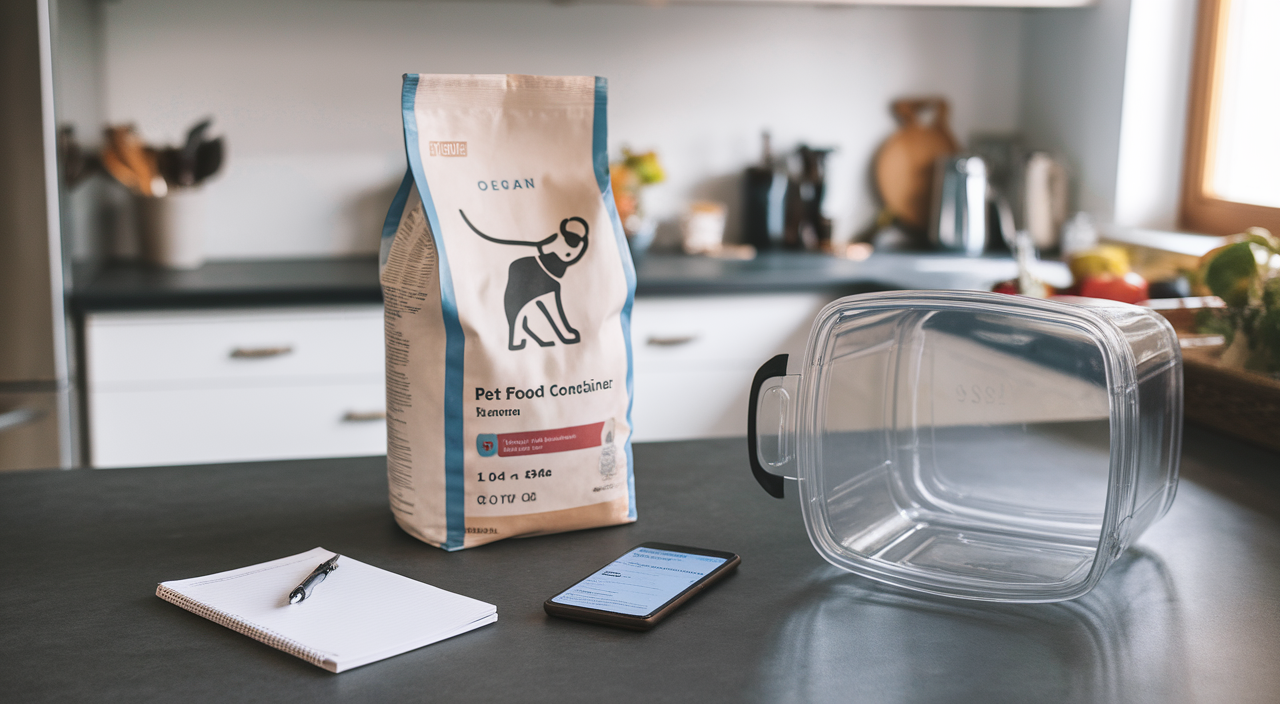
- Keep food in its original packaging. Bags and cans are designed to protect the product, and the label carries batch codes, best-by dates, and manufacturer information you will need if a recall is issued or a quality problem arises. If you prefer a bin for convenience, place the entire sealed bag inside the bin rather than pouring kibble directly into it.
- Use a clean, airtight container. Sealing the package after each use limits exposure to air, moisture, and pests, all of which can degrade fats and reduce freshness.
- Store in a cool, dry location. Heat and humidity accelerate spoilage. Avoid garages, sheds, or spots near appliances that generate warmth.
- Handle wet food carefully. Unopened cans and pouches are shelf-stable, but once opened, wet food should be covered and refrigerated. Discard any portion that has been left out for an extended period at room temperature.
- Follow the label. Manufacturer instructions for storage and use-by timing take precedence over general guidance, because they reflect the specific formulation.
Keep feeding bowls, scoops, and storage containers clean. Residue from old food can turn rancid and contaminate fresh product.
Portion Control and Feeding Routines
Consistency is one of the most underrated tools in feeding management. Feed measured amounts on a predictable schedule, using an accurate measuring cup or, ideally, a kitchen scale for greater precision. Free-feeding — leaving food available at all times — makes it difficult to notice appetite changes and can contribute to overconsumption.
Account for everything your pet eats, not just the meal in the bowl. Treats, training rewards, dental chews, and food used to hide medications all contribute to daily intake and should be factored into the total. If you share your household with multiple pets, feed them separately when possible so you can confirm who is eating what.
Ongoing Monitoring
The diet is working when the pet is thriving on it. Build a simple monitoring habit around a few observable indicators:
- Body condition: Regularly assess your pet’s body shape and feel for ribs, waist, and abdominal tuck. Body condition scoring is best learned and confirmed with your veterinarian, who can show you what a healthy condition looks and feels like for your specific pet.
- Weight trend: Weigh your pet periodically and track the numbers over time. A trend line reveals gradual changes that day-to-day observation can miss.
- Coat and skin: A healthy coat is generally shiny and not excessively shedding, flaky, or itchy.
- Energy and appetite: Note changes in enthusiasm at mealtimes, activity levels, and overall demeanor.
- Stool quality: Consistent, well-formed stools suggest the diet is being tolerated. Persistent looseness, straining, or changes in frequency warrant attention.
Treat body condition and weight management as a shared conversation with your veterinarian rather than a set of targets you determine alone. Your vet can interpret trends in the context of breed, age, health history, and activity.
When to Reassess the Diet
Even a well-chosen food is not a permanent decision. Plan to revisit the choice when circumstances change, including:
- Life stage transitions (puppy or kitten to adult, adult to senior, pregnancy or lactation)
- Notable weight gain or loss, or a change in body condition
- New health diagnoses or medications, especially those with dietary implications
- Emerging signs of ingredient sensitivity, such as recurring digestive upset, itching, or ear issues
- Changes in activity level, environment, or household routine
- A recall, reformulation, or discontinuation affecting the current product
When a reassessment is warranted, the workflow loops back to earlier steps: recalculating daily amounts based on updated needs, comparing suitable products against current requirements, and planning a gradual transition to any new food to protect digestive comfort. Feeding management, in other words, is a cycle — observe, adjust, transition, and observe again.
Section 6: Staying Informed About Pet Food Recalls and Safety Alerts
Even carefully chosen, high-quality pet foods can occasionally be subject to safety issues that lead to a recall. Understanding how recalls work and building a simple monitoring habit into your routine is one of the most important protective steps a pet owner can take. This section explains what recalls are, where trustworthy alerts come from, and what to do if a food you feed is affected.
What a Pet Food Recall Is
A pet food recall is a formal action taken to remove a product from the market or from consumer use because it has been identified as unsafe, mislabeled, or otherwise defective. Recalls may be initiated voluntarily by the manufacturer or requested by a regulatory agency after a safety concern is identified. The scope of a recall can range from a single production lot to an entire product line, and it may apply to specific package sizes, flavors, or manufacturing dates.
Common reasons pet foods are recalled include:
- Microbial or chemical contamination — for example, harmful bacteria, mold-related toxins, or contaminants introduced during processing or from raw materials.
- Mislabeling — undeclared ingredients that could trigger allergic reactions, incorrect feeding directions, or inaccurate nutritional statements.
- Nutritional deficiency or imbalance — formulations that do not deliver the vitamins, minerals, or other nutrients they should, which can harm pets over time.
- Foreign material — physical contaminants such as metal, plastic, or other objects introduced during manufacturing or packaging.
Where Recall Information Comes From
Trustworthy recall notices generally originate from veterinary and food-safety regulatory agencies, and from the manufacturers themselves. These authoritative sources publish the affected product name, lot numbers, package sizes, best-by or manufacture dates, the reason for the recall, and instructions for consumers. Because recall information is time-sensitive and specifics can change as an investigation continues, owners should always consult current, official sources rather than relying on second-hand summaries or older articles.
What to Do If a Food You Use Is Recalled
If you learn that a food you feed appears on a recall notice, take the following steps:
- Stop feeding the product immediately. Set the bag, can, or pouch aside where pets and children cannot access it.
- Retain the packaging and lot information. The lot code, best-by date, and UPC are essential for verifying whether your specific package is included in the recall and for any refund or return process.
- Check your pet for symptoms. If your pet has consumed the product and you notice any changes — vomiting, diarrhea, lethargy, appetite loss, or other unusual signs — contact your veterinarian. Even if your pet appears well, let your veterinarian know about the exposure so it can be noted in their record.
- Follow the manufacturer’s or agency’s guidance. Recall notices typically explain how to return the product, request a refund, or dispose of it safely. Follow those instructions rather than improvising.
- Clean storage containers and feeding equipment that came into contact with the recalled food to reduce the risk of cross-contamination with any remaining supply.
Why Proactive Monitoring Matters
Waiting to hear about a recall through casual news or word of mouth means your pet may continue eating an affected product for days or weeks after the alert is issued. Proactive monitoring — checking authoritative recall sources on a regular schedule — closes that gap. A simple habit that strengthens this practice is to record the brand, product name, lot number, and purchase date of each bag or case you open. A note on your phone, a photo of the packaging, or a small log kept where you store the food is enough. If a recall is announced, you can match your records against the affected lots in seconds instead of guessing.
A Planned Pet Food Recall Tracker
To make proactive monitoring easier, a Pet Food Recall Tracker is planned as part of this knowledge product. The tracker is intended to aggregate publicly available recall notices and safety alerts drawn from authoritative veterinary and regulatory sources into a single, searchable reference so owners can quickly check whether products they buy are affected. This tool is described here as a planned resource rather than a live, real-time monitoring service. Until it is available, and any time recall status is in question, verify current information directly with official regulatory and veterinary sources and with the product manufacturer.
How do you read a pet food label?
Reading a pet food label involves understanding several key components: the ingredient list, guaranteed analysis, nutritional adequacy statement, and feeding directions. Ingredients are listed by weight, with the heaviest first, but this doesn’t always indicate nutritional value. The guaranteed analysis provides minimum or maximum nutrient percentages. The nutritional adequacy statement indicates if the food is suitable for a specific life stage or all life stages. Feeding directions give guidance on portions based on weight and activity level.
What are the common ingredients in pet food and their roles?
Common pet food ingredients include protein sources, carbohydrates, fats, fiber, vitamins, minerals, additives, and preservatives. Proteins support muscle maintenance and growth, carbohydrates provide energy, fats are essential for healthy skin and coat, fiber aids digestion, and vitamins and minerals support overall health. Additives and preservatives ensure food safety and longevity.
Why are life stage-specific diets important for pets?
Life stage-specific diets are important because nutritional needs change as pets grow. For instance, growing puppies and kittens need different nutrient levels compared to adult or senior pets to support development, maintenance, and aging. Feeding a diet tailored to the pet’s current life stage helps ensure they receive appropriate nutrients.
How can I safely transition my pet to a new food?
To safely transition your pet to a new food, gradually mix the new food with the old one over several days. Start with a small amount of new food mixed with old food, incrementally increasing the new food’s proportion. Monitor your pet’s appetite, stool quality, and overall behavior during the transition. Slow the process if your pet shows signs of digestive upset.
What should I do if my pet’s food is recalled?
If a pet food recall is announced, stop feeding the recalled product immediately. Retain the packaging and note the lot number and purchase date. Consult with your veterinarian, especially if your pet has already consumed the food. Follow the manufacturer’s instructions for returning or disposing of the product safely.
How can I monitor my pet’s diet effectively?
Monitor your pet’s diet by observing their body condition, weight trends, energy levels, and stool quality. Consistent portion control and feeding routines are essential. Changes in life stage, health, or weight may necessitate dietary adjustments. Regular veterinary check-ups can help assess and adapt your pet’s feeding plan as needed.